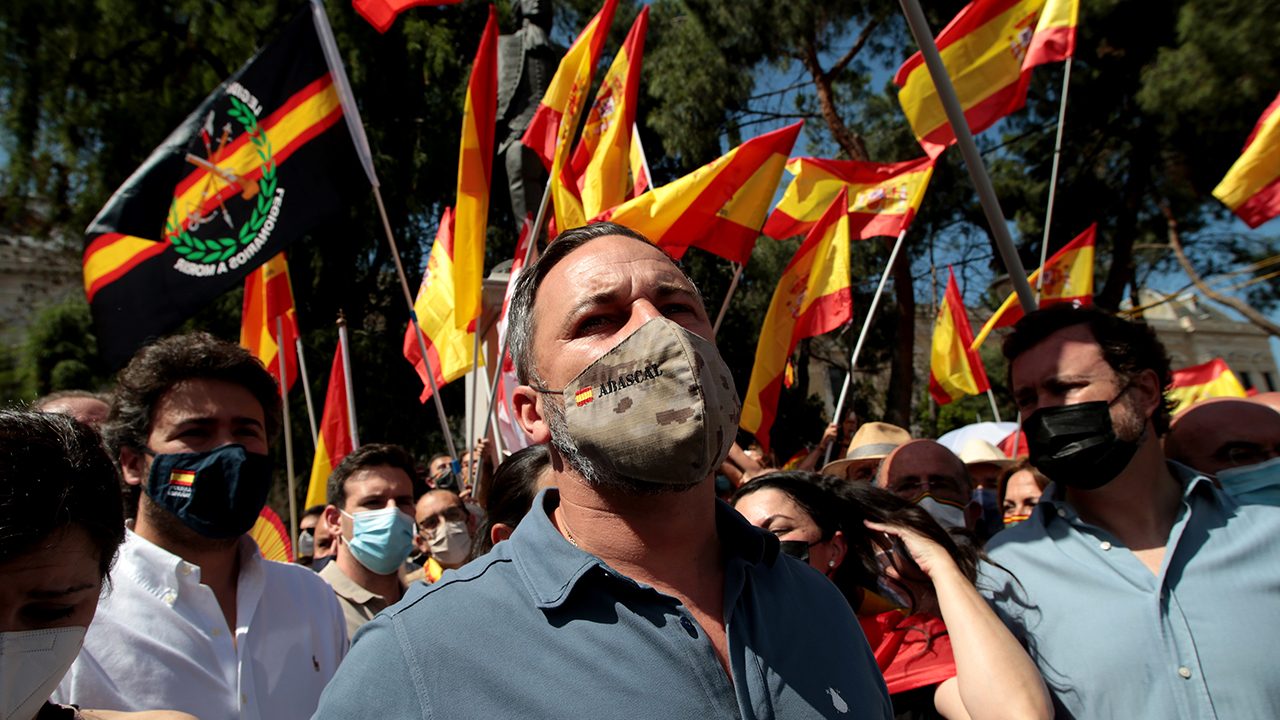
Established far-right marches glorifying Nazism and fascism pose a particular threat to the public space. In the new report, On Europe’s Streets: Annual Marches Glorifying Nazism, B’nai B’rith International and the Amadeu Antonio Foundation, alongside experts from across Europe, take a deep dive into the ongoing phenomenon, its legal implications and its effects on the public space and vulnerable communities.

A comprehensive overview of 12 major annual marches that glorify Nazism and fascism
The report documents 12 major annual gatherings on the far-right calendar, in Austria, Belgium, Finland, Germany, Greece, Hungary, Italy, Latvia, Poland and Spain. We analyze repeated instances of Holocaust denial and distortion, antisemitic slogans and symbols, violent incidents, civil society counter-actions and responses from local authorities.

Transnational trends and the challenge of an emerging far-right culture of remembrance
Taken together, the marches analysed in the report reveal an interconnected, transnational network of extremists who exchange expertise, travel to each others‘ events and promote common narratives about Europe’s identity. Under the guise of family-friendly sporting or musical events, the marches promote a far-right culture of remembrance that threatens European values.

Legal analysis: European legal frameworks and relevant case-law
As the report details, both international and European legal frameworks already include proper instruments for banning assemblies that promote totalitarian ideologies, racial or religious hatred, genocide denial, or incite to violence. National authorities of EU member states are not only allowed, but obliged to take action to criminalize the spreading of hatred and promotion of totalitarian regimes and ideologies.

Wide-ranging set of recommendations for effective local, national and EU-wide action
A concerted effort against marches glorifying Nazism and fascism can have a lasting positive impact and ensure a sense of security for Europe’s vulnerable communities and society as a whole. The persistent nature of these marches is not a fait accompli. As laid out in the recommendations of the report, through legislation, enforcement, public pressure and education, these displays of hatred on Europe’s streets can be curbed.
The report is now available to download (in English):
Sie sehen gerade einen Platzhalterinhalt von Standard. Um auf den eigentlichen Inhalt zuzugreifen, klicken Sie auf den Button unten. Bitte beachten Sie, dass dabei Daten an Drittanbieter weitergegeben werden.
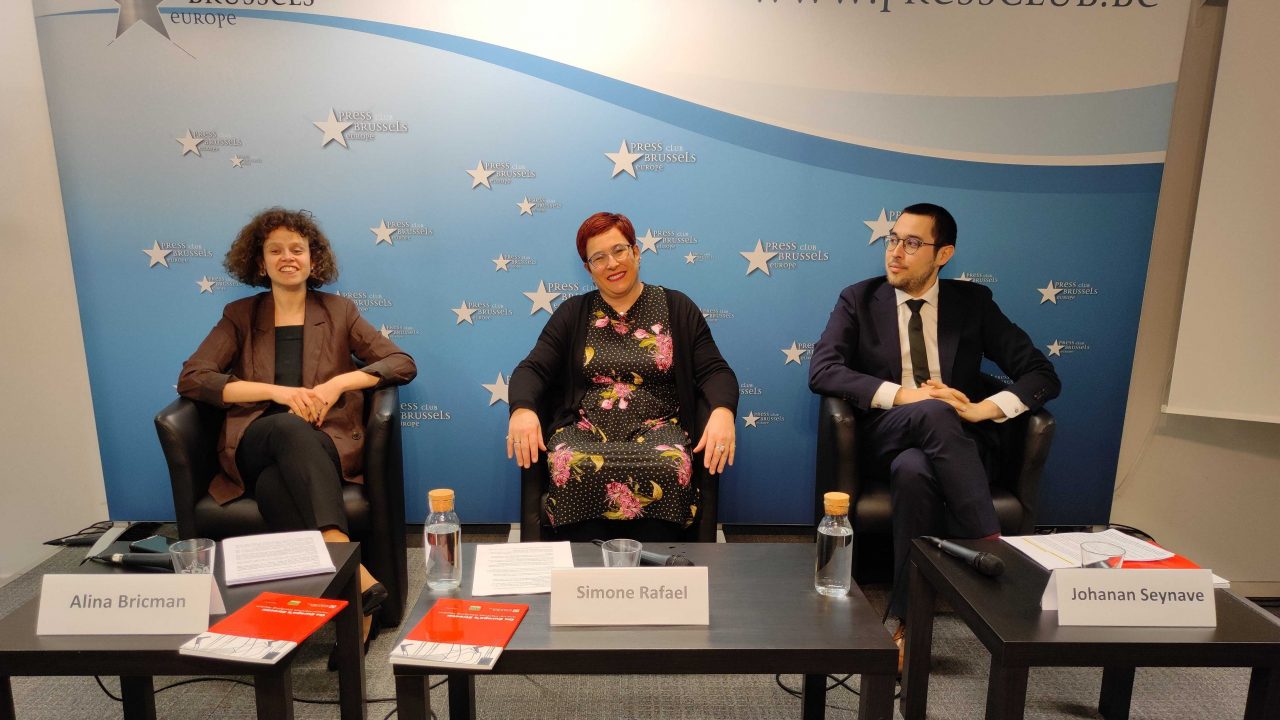
A press conference was held in Brussels to present the report, which summarizes its findings. Viewable on the YouTube channel of the Amadeu Antonio Foundation:
Sie sehen gerade einen Platzhalterinhalt von Standard. Um auf den eigentlichen Inhalt zuzugreifen, klicken Sie auf den Button unten. Bitte beachten Sie, dass dabei Daten an Drittanbieter weitergegeben werden.
The analysis part of the report was created in the editorial office of Belltower.News, a project by the Amadeu Antonio Foundation. You can support our work with donations: